



Related products
-
JPY 0
-
JPY 0
Recommended products
-
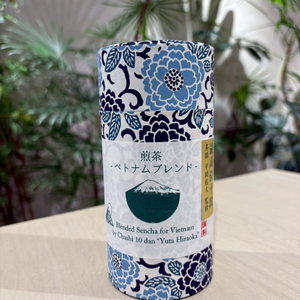
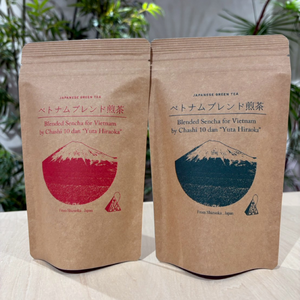
Vietnamese blend sencha ※Canned type
JPY 0
-
JPY 0
-
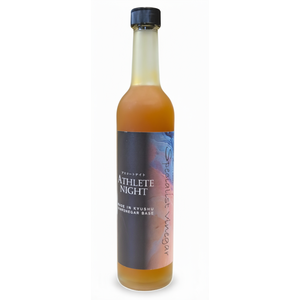
SPECIALIST VINEGAR ATHLETE NIGHT
JPY 0
-
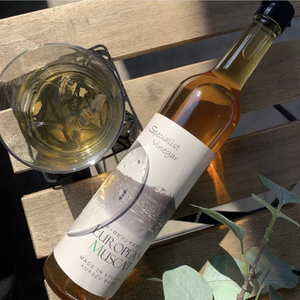
SPECIALIST VINEGAR EOUROPEAN MUSCAT
JPY 0
-
JPY 0
-
JPY 0
-
Higashinaruse Tech Solutions Co., Ltd.
JPY 0
-
Tamaasahi Sake Brewery Co., Ltd.
JPY 0
-
Tamaasahi Sake Brewery Co., Ltd.
JPY 0
-
Watanabe Sahei Shoten Co., Ltd.
JPY 0
-
Takizawa Sake Brewery Co., Ltd.
JPY 0
-
JPY 0
-
JPY 0
-
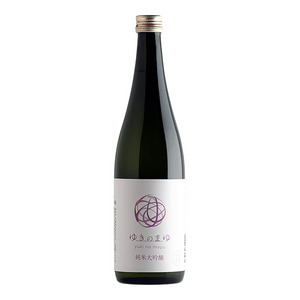
JPY 0
-
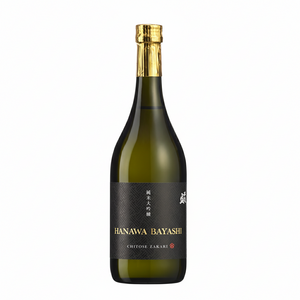
Chitossezakari Sake Brewery Co., Ltd.
JPY 0
-
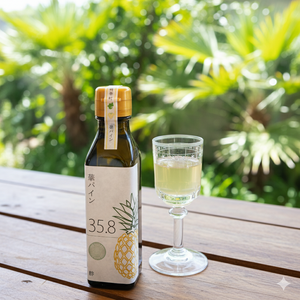
PINE APPLE FUIT VINEGAR -HANA PINE-
JPY 0
Product information
Rice polishing ratio
50%
Material rice
Yamadanishiki in Hyogo
-
-
Product No.
1200
-
ABV (%)
17
-
Origin
Nara
-
Volume(Volume Unit)
720(ml)
-
Gross Weight (g)
900
-
-
-
Pack Contents Quantity
12
-
Case Size (L) (cm)
40
-
Case Size (W) (cm)
40
-
Case Size (H) (cm)
40
-
Case Weight (kg)
13.0
-
※Specifications are subject to change without notice. Please confirm at the time of purchase.
Product features
Label design
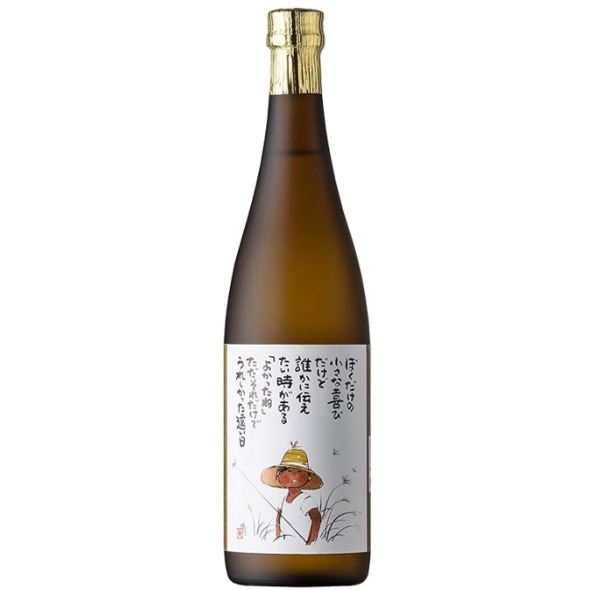
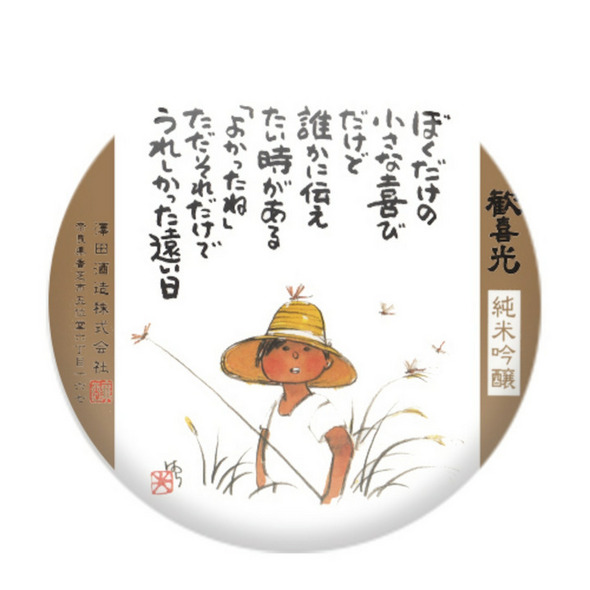
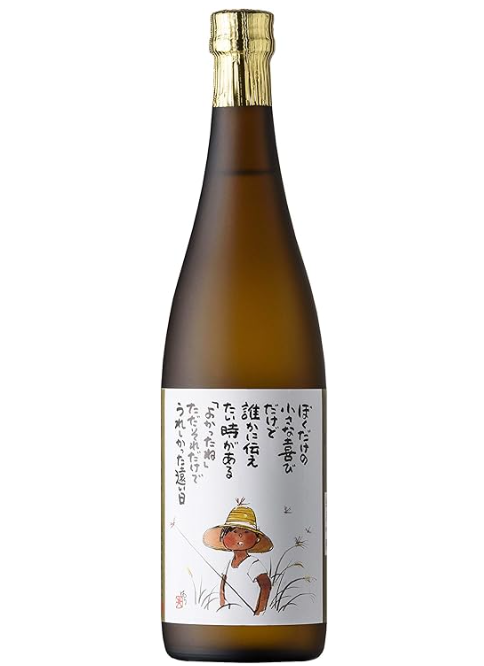
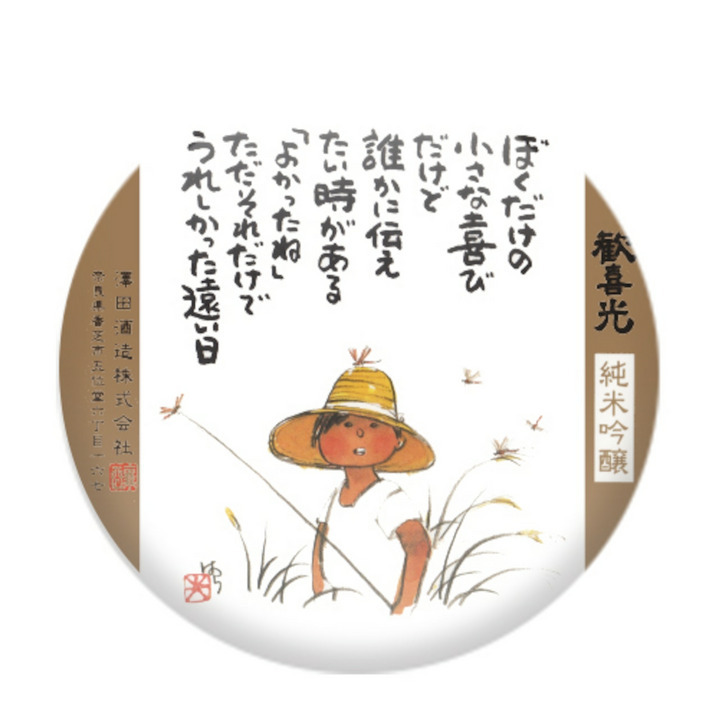
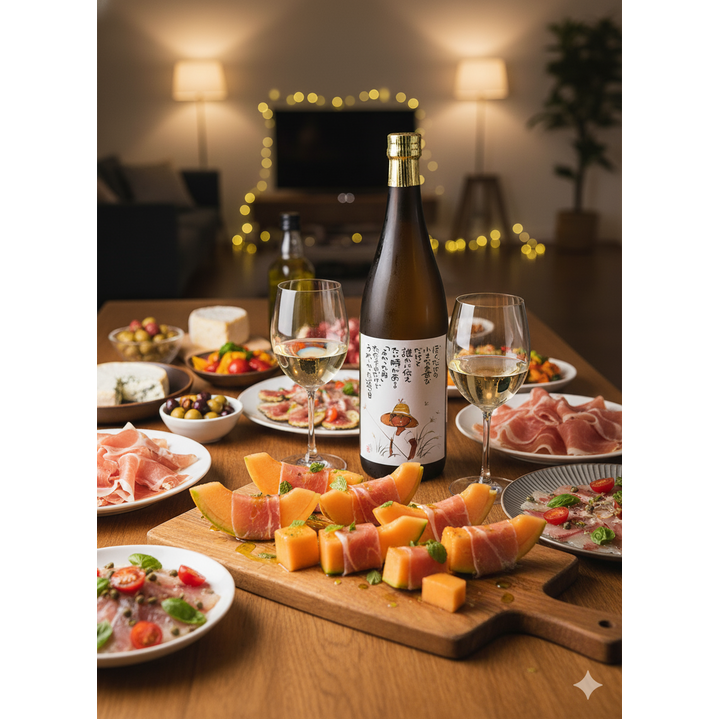
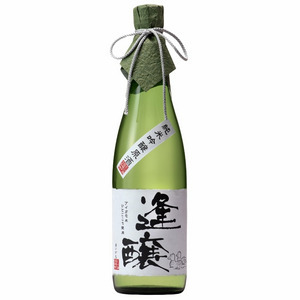
This beautiful and heartwarming painting features a poem by literati artist Ichiro Hara. It's the perfect gift to express your gratitude to someone special.
Taste characteristics
It features a gorgeous ginjo aroma and an exquisite balance of elegant sweetness and moderate acidity. The smooth sweetness and clean aftertaste are reminiscent of white wine. It pairs exceptionally well with both Japanese and Western cuisine.
Food Pairing
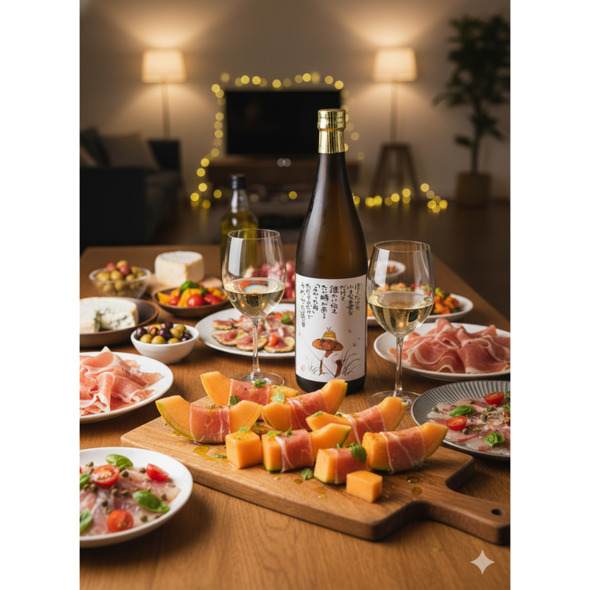
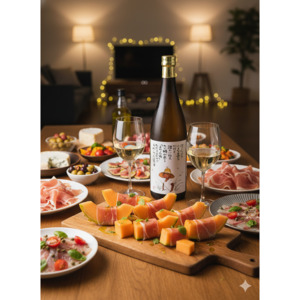
Western food and appetizers: Perfect with Western food and Parma prosciutto (raw ham), and dishes using fruit (such as prosciutto and melon), the sweetness and saltiness of fruit are great.
Japanese cuisine: Sashimi (especially squid and octopus), lightly seasoned stews using dashi stock, grilled fish with salt, vinegared dishes and salads
Awards 2025
"Kura Master 2025" Junmai Daiginjo Sake Category GOLD
"International Wine Challenge 2022/2024/2025" SAKE Division / Junmai Ginjo Division Competition Recommended Sake
"Delicious Sake in a Wine Glass Award 2025" Premium Junmai Category, GOLD
2024
"Delicious Sake in a Wine Glass Award 2024" Premium Junmai Category GOLD
"Milan Sake Challenge 2024" Sake Tasting Division / Junmai Ginjo and Ginjo Sake Division DOUBLE GOLD
2023
International Wine Challenge 2023 in the Sake category/Junmai Ginjo category:BRONZE
"Milan Sake Challenge 2023" Junmai Ginjo and Ginjo Division DOUBLE GOLD
2022
"Delicious Sake in a Wine Glass Award 2022" Premium Junmai GOLD
"Milan Sake Challenge 2022" Food Pairing Category Best Food Pairing Award (Prosciutto from Parma)
2021
"Delicious Sake in a Wine Glass Award 2021" Premium Junmai Category GOLD
"International Wine Challenge 2021" SAKE Division / Junmai Ginjo Sake Division GOLD
2020
London Sake Challenge 2020 Junmai Ginjo category SILVER
Brand introduction
-
1
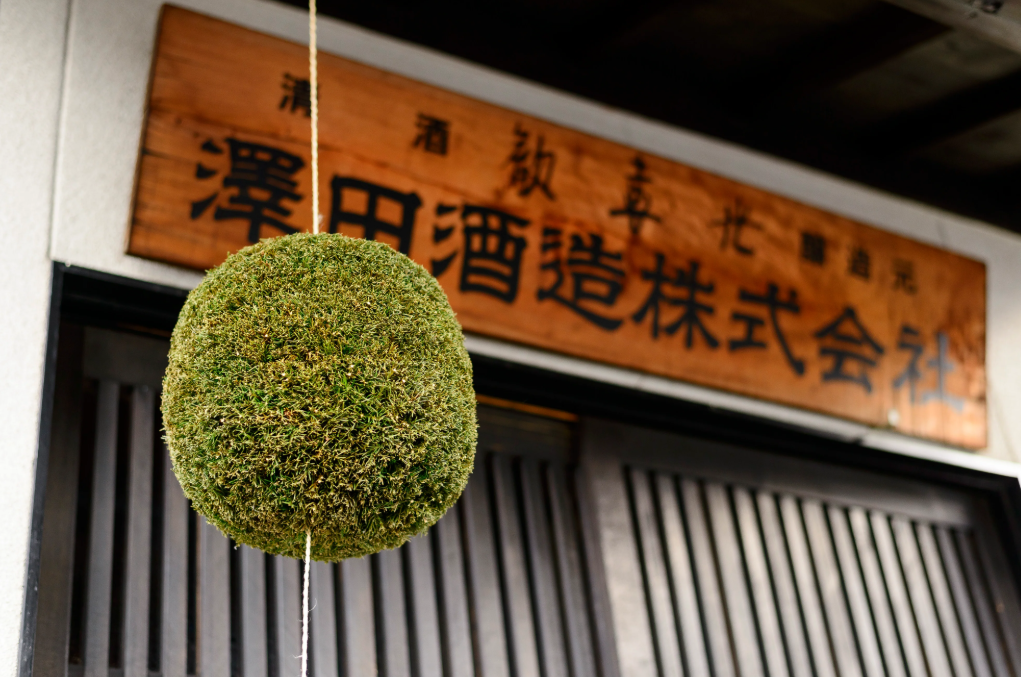
The history of Sawada Sake Brewery
Nara Prefecture, where Sawada Sake Brewery is located, is home to Omiwa Shrine, worshipped by people from all over Japan as the god of sake brewing, and the Sake Hall of Kasuga Taisha Shrine, the oldest surviving brewing facility.In addition, during the Muromachi period, Nara was a major production center for monk's sake, and used innovative techniques that became the basis for modern brewing methods to produce high-quality sake that was the prototype of today's sake, making it the birthplace of sake.
-
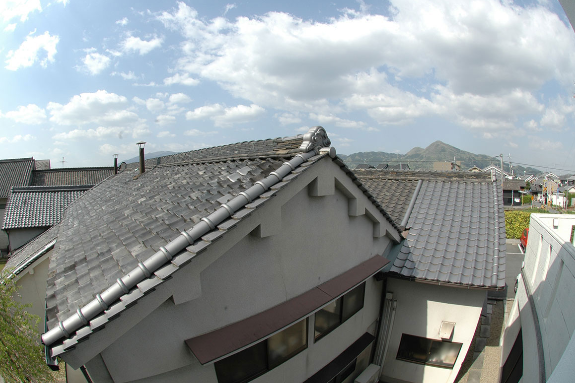
Sawada Sake Brewery is located in Goido, Kashiba City, in the mid-western part of Nara Prefecture, overlooking Mount Miwa in the far east and Mount Nijo, mentioned in the Manyoshu, to the west. The brewery was founded in 1830 (the first year of the Tenpo era) at the end of the Edo period, when the first generation Sawada Teishiro established a dyeing shop in Goido, where the brewery is currently located, and also began brewing sake using rice harvested from the surrounding rice fields. In the early Meiji period, the third generation Sawada Teijuro began full-scale sake brewing as a "sake brewer." In the Showa era, during the time of the fourth generation Sawada Teijiro, the brewery was forced to suspend brewing due to food shortages caused by the Pacific War and faced hardships such as the death of his successor in battle, but sake brewing resumed shortly after the war.
-
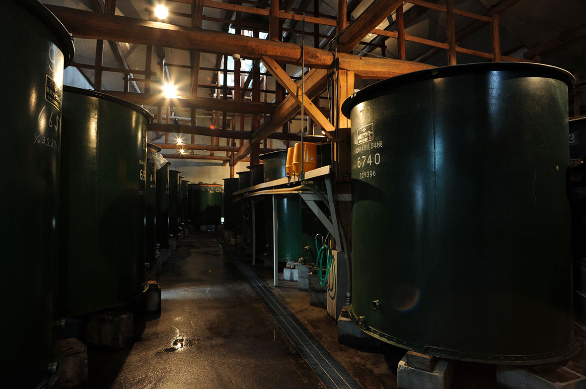
Sawada Sadako, who became the fifth generation head of the family in place of her brother who was killed in the war, created "Kankiko," a high-quality brand centered on junmai sake, in 1975 (Showa 50), and in 1988 (Showa 63), "Kankiko" won a gold medal at the National New Sake Tasting Competition. In the Heisei era, due to various reasons such as the aging of production staff, there was a period when the main production process was outsourced to partner companies, but in 2019, in-house brewing resumed. In a situation where there were no brewers with knowledge of the old-fashioned sake brewing methods, with the cooperation of other companies in the industry, Sawada Sake Brewery resumed sake brewing in February 2020 for the first time in about 30 years.
-
2
Sawada Sake Brewery
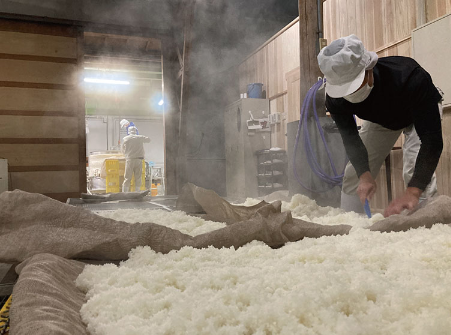
Sawada Sake Brewery is a small sake brewery. Our production scale is small, and we do not have extensive production facilities. Furthermore, due to a period of inactivity, we do not have experienced brewers who have been involved in sake brewing for many years. What we can do is to stay true to the basics while not being bound by preconceived notions, and always approach sake brewing with ambition, passion, and care. For this reason, at Sawada Sake Brewery, we carefully monitor even the slightest changes in the mash during all brewing, and we carry out small batches that allow for strict temperature control and uniform fermentation. We also actively use locally grown rice as raw material, working to ensure sustainable sake brewing in which local agriculture and the brewery thrive together.
Browsing history
-
JPY 1,800